Most attics we open in San Antonio are short on intake. Someone added exhaust vents over the years and never opened up the soffit, so the system pulls air from the house instead of from outside and the attic stays hot well into the evening.
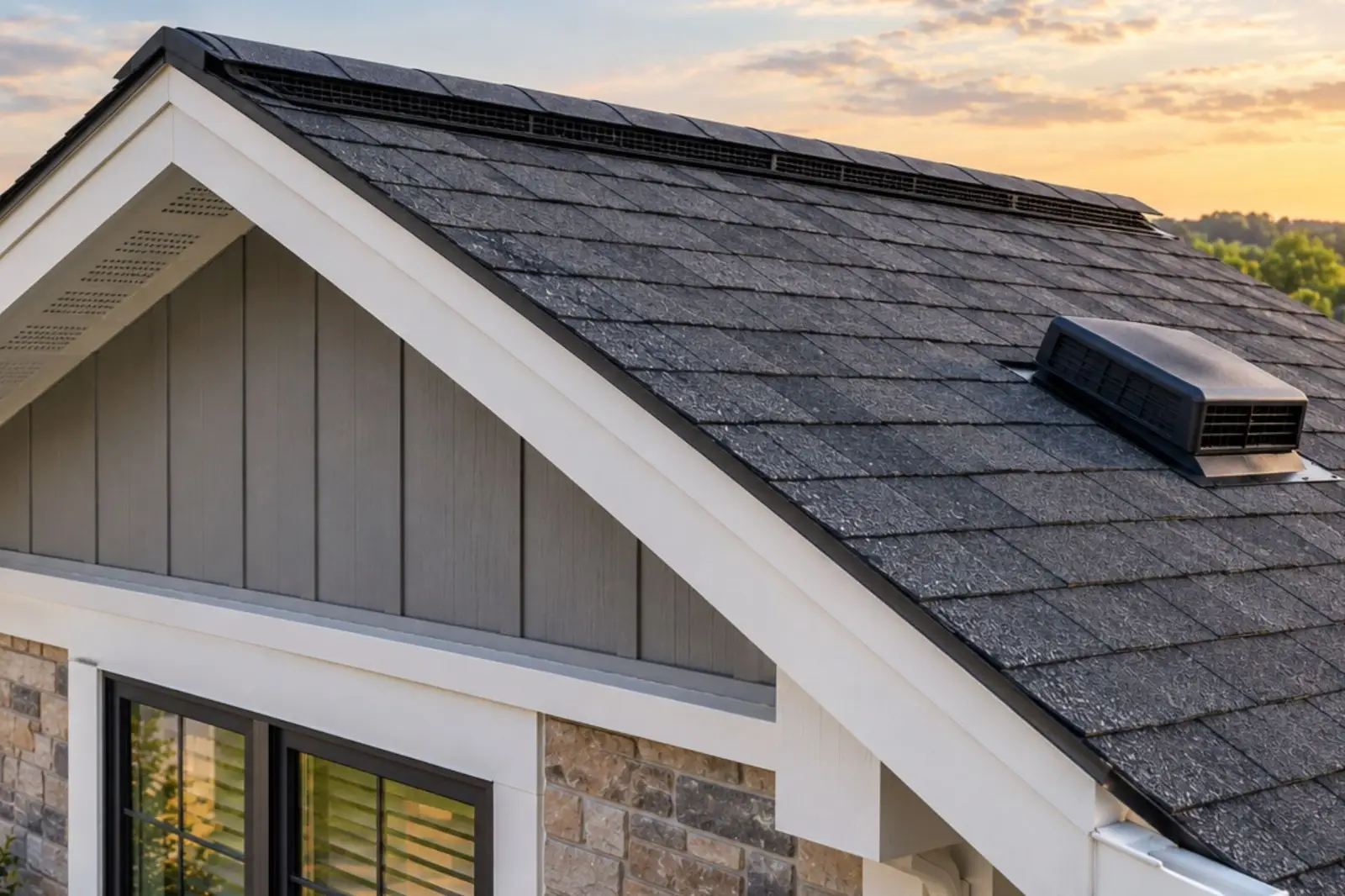
Balanced ventilation means intake low at the soffit and exhaust high at the ridge, in proportion. Get the balance right and attic temperatures drop, shingles last longer and the air conditioning stops fighting the roof.
VENTILATION WORK
WHAT WE HANDLE
Ridge vent installation
Soffit intake vents opened or added
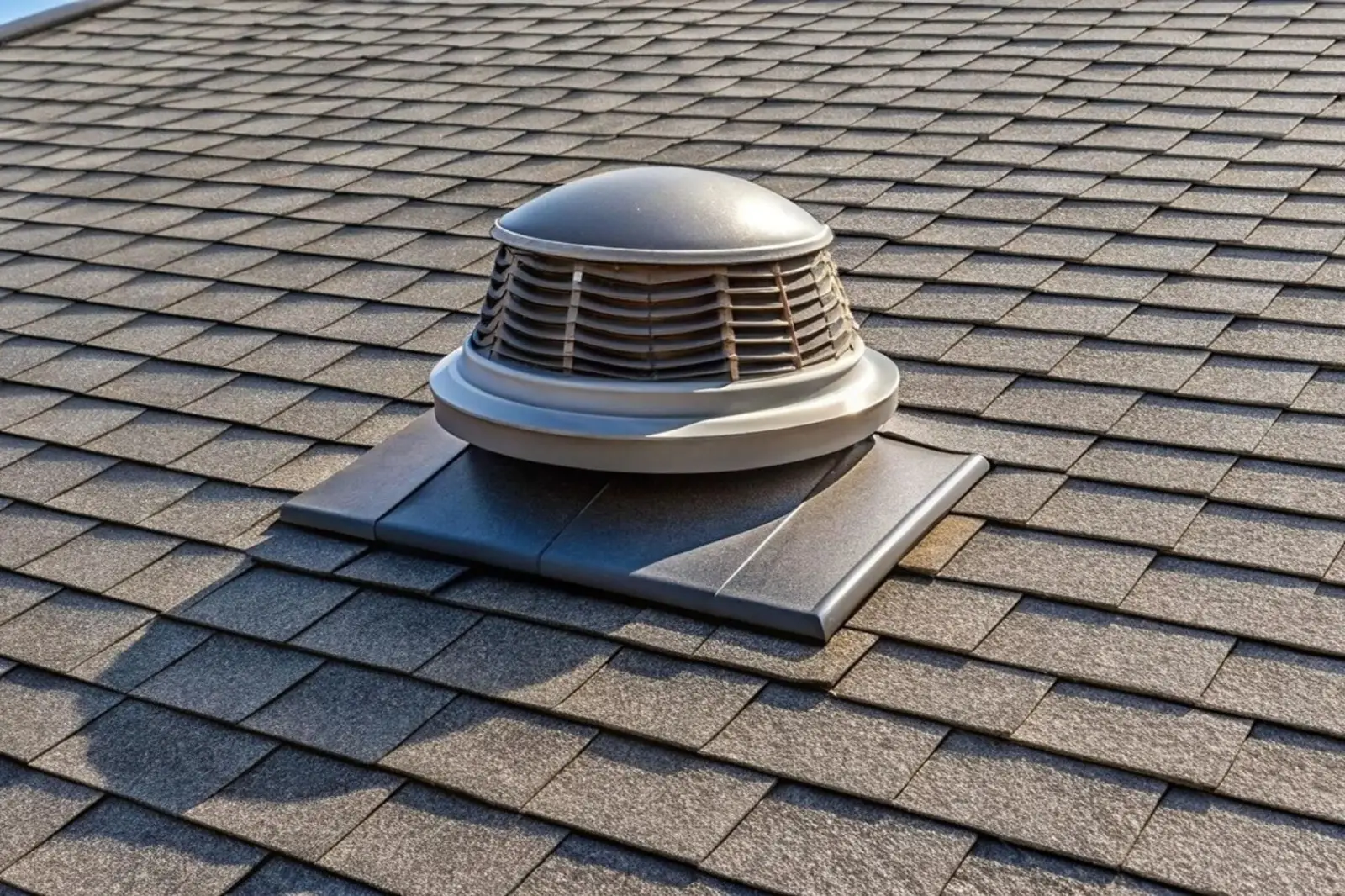
Static, turbine and powered vent options
Intake-to-exhaust balance calculated
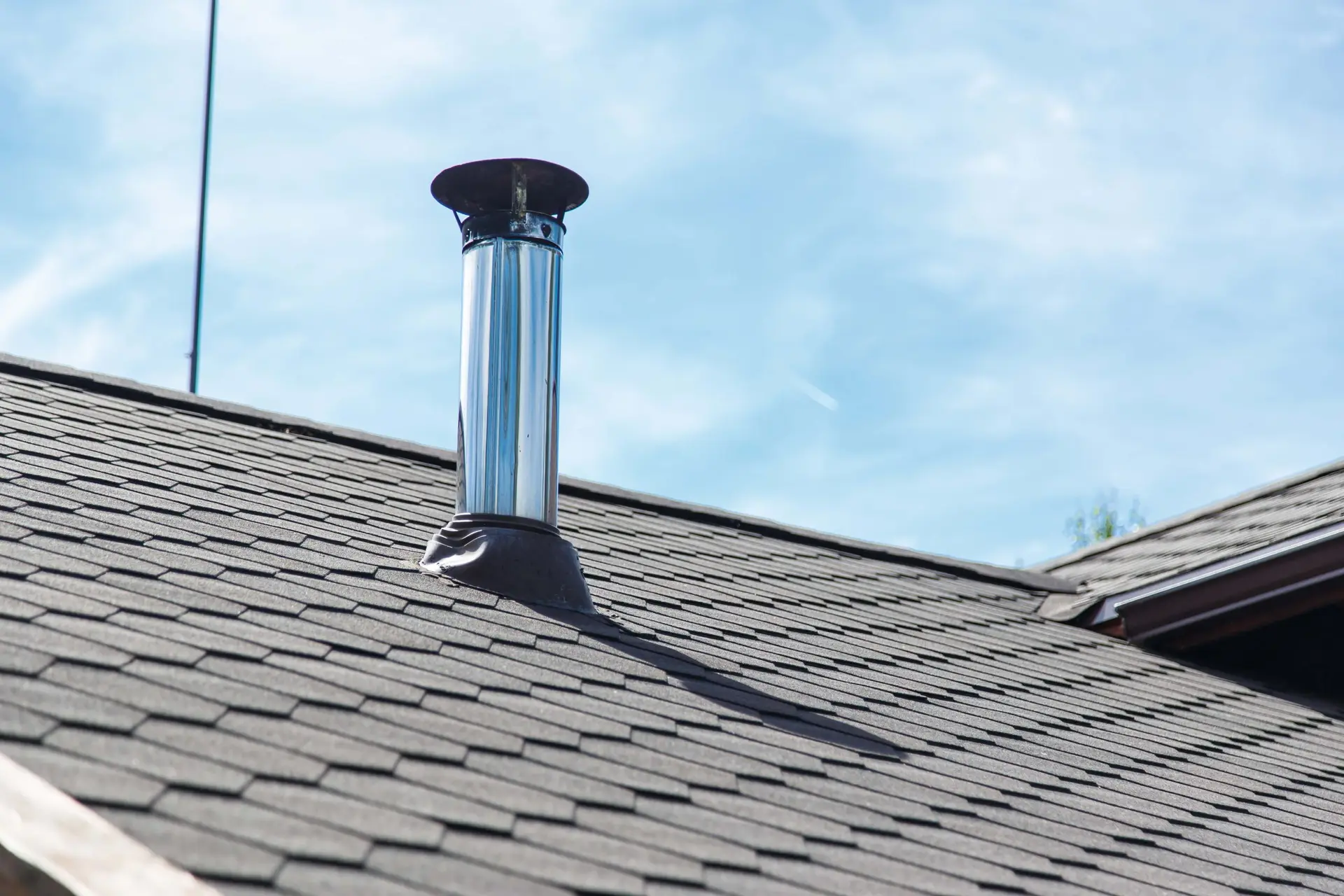
Bath and dryer ducts corrected where they vent into the attic
Insulation baffles so intake is not blocked
Not sure which of these you are looking at? Book the free inspection and we will photograph it and tell you.
Rooms that stay hot into the night, an attic that is brutal in the afternoon, rusting nail tips or damp sheathing in winter, and shingles that aged faster than they should have.
Are turbine vents or ridge vents better?
Ridge vent gives even exhaust across the whole ridge and has nothing to seize. Turbines move more air per unit but concentrate the draw. Either works if the intake matches.
Can ventilation be improved without a new roof?
Yes. Soffit intake and some exhaust options can be added at any time, though ridge vent is cheapest to install during a re-roof.
Will this lower my energy bill?
It lowers attic temperature, which reduces the load on the ceiling and the ductwork up there. How much shows on the bill depends on insulation and duct sealing as well.