
Your Guide to Preparing Your Roof for South Texas Hail Season
Living in the greater San Antonio area, we all know that spring and summer bring more than just sunshine and Fiesta celebrations. They also bring the notorious South Texas hail season. While we can't control the weather, we can certainly prepare for it. Your roof is your home's first line of defense against the elements, and taking proactive steps now can save you from costly repairs and major headaches down the line. This guide will walk you through how to identify potential vulnerabilities, understand the importance of your entire roofing system, and what to do if a storm does hit.
Step 1: Conduct a Pre-Season Roof Health Check
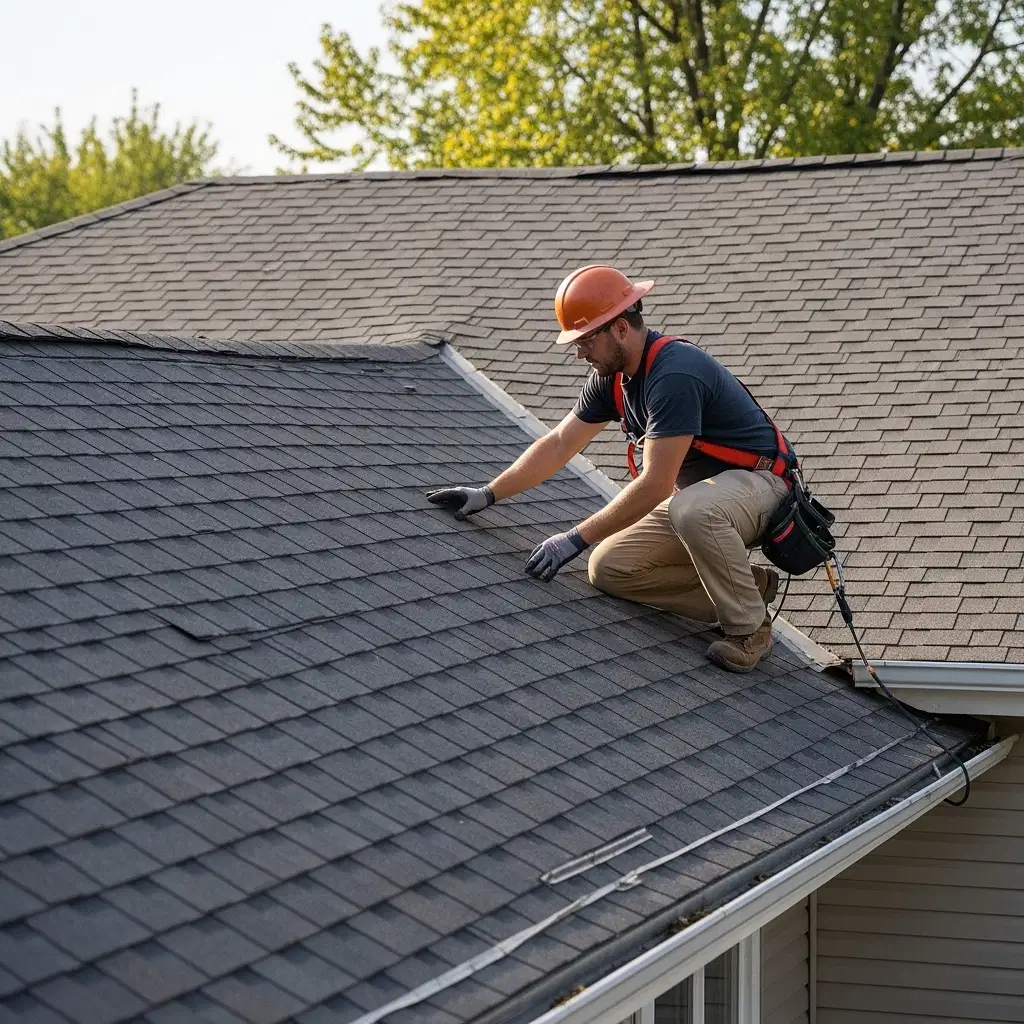
Before the storm clouds gather, it's crucial to assess your roof's current condition. A small issue today can become a major leak during a hailstorm. While a professional inspection is always the safest and most thorough option, there are several signs of wear and tear you can spot from the ground.
What to look for:
- Missing or Damaged Shingles: Look for shingles that are cracked, curled at the edges, or have bald spots where the protective granules have worn away. Pay close attention to the valleys and edges of your roof, as these are high-stress areas.
- Dented Gutters and Downspouts: If you see dents in your metal gutters, flashing, or roof vents, it's a sign that previous storms have already had an impact. This indicates your roof has likely sustained damage as well.
- Loose Granules: Check for an accumulation of shingle granules in your gutters. While some loss is normal over time, a large amount suggests your shingles are nearing the end of their lifespan and have lost a significant layer of protection.
- Interior Water Stains: Look for any discoloration or water spots on your ceilings or walls, especially after it rains. This is a clear indicator of an existing leak that needs immediate attention.
A professional residential roofing assessment, often utilizing technology like drones, can provide a much more detailed and safer evaluation of your roof's integrity without anyone having to set foot on it. This helps identify subtle damage that isn't visible from the ground.
Step 2: Look Beyond the Shingles to Soffit and Fascia
A healthy roof is more than just the shingles you see from the street. It's a complete system, and two often-overlooked components are the soffit and fascia. The fascia is the long, straight board that runs along the lower edge of the roof, while the soffit is the underside of your roof's overhang. They are critical for proper attic ventilation and for keeping pests out.
Hail and high winds can wreak havoc on these areas, cracking fascia boards or puncturing soffit panels. Damaged soffit and fascia can lead to poor ventilation, which traps heat and moisture in your attic, potentially shortening your roof's lifespan. It also creates an easy entry point for squirrels, birds, and insects. When inspecting your roof, make sure to check for cracks, rot, or holes in these crucial components. Ensuring they are secure is a key part of preparing for storm season.
Step 3: Consider an Upgrade to Impact-Resistant Materials
If you're considering a roof replacement, investing in impact-resistant (IR) shingles is one of the smartest decisions a South Texas homeowner can make. These advanced shingles are specifically engineered and tested to withstand hail impact far better than standard architectural shingles. While they come at a premium, the long-term benefits often outweigh the initial cost.
Benefits of Impact-Resistant Shingles:
- Enhanced Durability: They offer superior protection against hail, reducing the likelihood of needing major repairs after a storm.
- Potential Insurance Discounts: Many insurance providers offer discounts on homeowner's premiums for homes with certified Class 4 IR shingles, as they represent a lower risk.
- Long-Term Value: By minimizing storm damage, you protect your home's value and avoid the recurring costs and stress of frequent repairs.
Choosing the right materials is a critical part of our commitment to quality. We focus on meticulous installation and on-site supervision to ensure that whichever material you choose, it performs at its best for years to come.

Step 4: Know What to Do After the Storm
Even with the best preparation, severe storms can sometimes cause damage. If you suspect your roof has been hit, it's important to act quickly and wisely. Navigating the aftermath and the insurance claim process can be overwhelming, but having a clear plan helps.
- Document Everything: Safely take photos of any visible damage from the ground, including dented gutters, damaged siding, and any visible impacts on your shingles.
- Prevent Further Damage: If you have an active leak, take steps to mitigate the damage inside your home, such as using buckets to catch water.
- Call a Trusted, Local Roofer: Before filing an insurance claim, have a reputable roofing contractor perform a thorough inspection. This will give you a clear, professional assessment of the damage. Be wary of out-of-town "storm chasers" who often appear after a major weather event. Working with an established local company ensures accountability and quality.
- Contact Your Insurance Company: With your professional inspection report in hand, you can confidently file your claim. A good roofer can help you understand the report and provide the necessary documentation for your adjuster.
Dealing with storm damage can be stressful, but you don't have to go through it alone. Our team is experienced in identifying hail damage and can provide the detailed assessment you need for your insurance claim and subsequent roof repair.
Be a Weather Warrior This Hail Season
Preparing your roof for the unpredictable South Texas weather is an essential part of responsible homeownership. By performing regular checks, paying attention to your entire roofing system, considering durable materials, and having a post-storm plan, you can protect your home and your peace of mind.
Don't wait for the next storm to reveal a problem. If you have concerns about your roof's condition or want a professional opinion, contact Weather Warrior Roofing today. We offer free, no-obligation inspections to help our San Antonio neighbors ensure their homes are ready for whatever the season brings. Let us help you with everything from minor repairs to a full roof replacement.