Beat the South Texas Heat: Why Proper Attic Ventilation is Your Roof's Best Friend
We all know that feeling. The sweltering, relentless heat of a San Antonio summer that seems to radiate from every surface. While we crank up the AC inside, one of the hardest-working parts of your home is silently baking overhead: your attic. An improperly ventilated attic can reach temperatures exceeding 150°F, creating a superheated pocket of air that puts immense stress on your entire home. This isn't just about comfort; it's about protecting your roof's integrity, managing energy costs, and ensuring the long-term health of your property. At Weather Warrior Roofing, we've seen firsthand how the intense local climate affects roofing systems, and we know that a balanced ventilation system is one of the most critical components for any home in our area. This guide will walk you through why attic ventilation is so important and how to tell if your home is properly equipped to handle the heat.
The Hidden Dangers of a Trapped-Heat Attic
When your attic can't breathe, it traps heat and moisture, leading to a cascade of problems that can be costly and damaging over time. Understanding these risks is the first step toward protecting your home.
-
Premature Roof Aging: The number one enemy of an asphalt shingle roof is excessive heat. A superheated attic essentially bakes your shingles from the underside. This constant, extreme temperature causes the shingles' protective granules to loosen and the asphalt to become brittle and crack. The result is a significantly shortened lifespan for your roof, turning a 25-year roof into a 15-year problem. This often leads to unexpected and expensive roof repairs or even a full replacement.
-
Soaring Energy Bills: Your attic acts like a giant radiator sitting on top of your house. When it's overheated, that heat radiates downward through the ceiling insulation and into your living spaces. Your air conditioning system is then forced to work much harder and run longer to maintain a comfortable temperature, leading to a noticeable spike in your monthly energy bills. Improving ventilation is a direct investment in lowering your cooling costs.
-
Moisture and Mold Issues: Heat isn't the only problem; moisture is just as destructive. Daily activities like showering and cooking introduce moisture into your home's air, which naturally rises into the attic. Without proper airflow to carry it outside, this warm, moist air can condense on the cooler surfaces of your roof deck and framing, especially during temperature swings. This creates the perfect breeding ground for mold and mildew, which can compromise your home's air quality and lead to wood rot.
How a Balanced Ventilation System Works
A common misconception is that adding a single vent is enough. The key to effective attic ventilation is creating a balanced system that relies on a simple principle: convection. Hot air rises, and as it escapes, it pulls cooler, fresh air in to replace it. A properly designed system has two essential parts working in harmony:
-
Intake Vents: Located at the lowest part of the roof, typically in the soffits (the underside of your roof's eaves). These vents allow cool, fresh air from outside to be drawn into the attic space. Clean and unobstructed soffits are crucial for the entire system to function correctly.
-
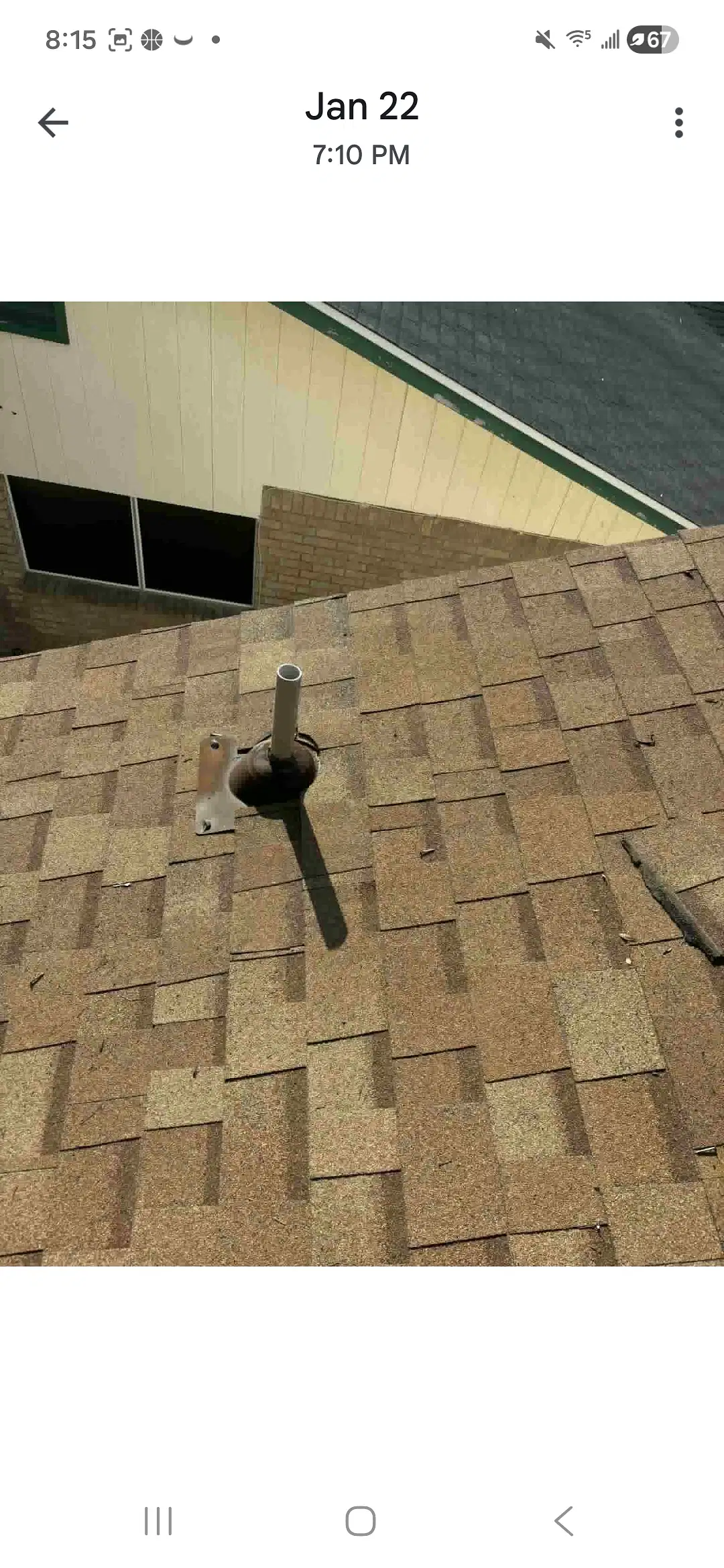
Exhaust Vents: Positioned at or near the peak of the roof. As the air in the attic heats up, it rises and exits through these vents. Common types include ridge vents, which run along the entire peak of the roof, box vents, or wind turbines.
For a system to be balanced, the amount of intake ventilation must be equal to or greater than the amount of exhaust ventilation. Without enough intake, exhaust vents can't move enough air, and the system fails. This continuous, passive airflow is the most efficient way to keep your attic closer to the ambient outside temperature.

Signs Your Home's Ventilation Needs an Upgrade
How can you tell if your attic is struggling to breathe? Fortunately, there are several warning signs that homeowners can look for. If you notice any of the following, it may be time for a professional inspection.
- Unusually High Summer Energy Bills: If your cooling costs seem to climb higher every year without another explanation, poor ventilation could be the culprit.
- Hot Ceilings or Walls: On a hot day, carefully touch the ceiling in your top-floor rooms. If they feel noticeably warm, it's a strong indicator that heat is radiating down from the attic.
- Warped or Deteriorating Shingles: Take a look at your roof from the ground. If you see shingles that are curling at the edges, cracking, or look generally worn out despite the roof's age, it could be a sign of heat damage from below.
- Damp Insulation or Musty Odors: If you can safely peek into your attic, look for signs of moisture. Damp spots on the insulation or a persistent musty smell are red flags for condensation buildup due to poor airflow.
Addressing these signs early can save you from more significant issues down the road. A well-ventilated attic is a core component of a healthy residential roofing system.
Your Partner in Protecting Your Home
In the demanding South Texas climate, your roof needs every advantage it can get. Proper attic ventilation isn't a luxury—it's an essential system that protects your roofing materials, lowers your energy consumption, and contributes to a more comfortable home environment. From ensuring your soffits are clear to installing a high-efficiency ridge vent system, the right solution depends on your home's specific design and needs.
Don't let a hot attic compromise your biggest investment. If you're concerned about your home's ventilation or have noticed any of the warning signs, the team at Weather Warrior Roofing is here to help. We provide thorough roof and attic inspections to homeowners throughout the San Antonio area. Contact us today to schedule a consultation and learn how we can help your home—and your wallet—beat the heat.